Power interruptions are becoming more common, whether due to extreme weather, aging infrastructure, or increased energy demand. As a result, homeowners are paying closer attention to backup power solutions that can keep their homes running safely and comfortably. Choosing the right system isn’t just about having electricity during outages—it’s about reliability, efficiency, and long-term value. To make a smart decision, it’s important to understand the key features that define a dependable home backup power system.

Essential Features That Define Reliable Home Backup Power
Not all backup power systems are created equal. The following features play a critical role in how well a system performs during both short outages and extended power disruptions.
Sufficient Power Output for Household Needs
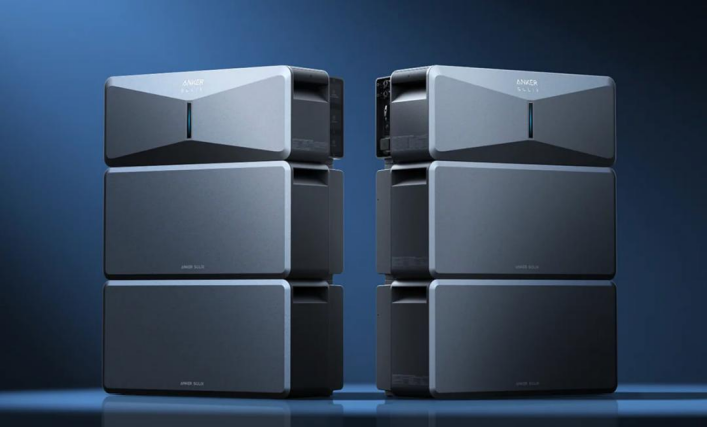
The most important feature of any home backup system is its power output. A reliable system should support essential appliances such as refrigerators, lights, internet equipment, and medical devices. For larger homes, the ability to deliver 120V/240V split-phase power is crucial for running heavy loads like HVAC systems, well pumps, or electric dryers. High-capacity systems such as the Anker SOLIX F3800 are designed to handle these demanding requirements safely and consistently.
Expandable Battery Capacity
Battery storage determines how long your home can stay powered when the grid goes down. Entry-level systems may cover only a few hours, while expandable systems can support multi-day outages. The ability to add expansion batteries over time is a major advantage, allowing homeowners to scale capacity as energy needs grow. This flexibility ensures your backup system remains useful as your household changes.
Fast Recharging and Multiple Charging Options
A strong home backup system should recharge quickly and offer multiple charging methods. Solar input is especially valuable, as it allows batteries to recharge using sunlight during the day. Systems with high solar input capacity reduce downtime and increase reliability during extended outages. AC charging is also important for rapid recharging when grid power is available. Some advanced systems combine fast AC input with solar charging for maximum flexibility.
Automatic Switchover and Safe Home Integration
Seamless operation during outages is essential. Transfer switches or smart home power panels allow backup systems to take over automatically when grid power fails. This ensures uninterrupted power and protects both the home and utility workers. Plug-and-play integration options simplify installation and make whole-home or partial-home backup more accessible to homeowners.
Smart Monitoring and Energy Management
Modern home backup power systems go beyond basic functionality by offering smart controls. App-based monitoring via Wi-Fi or Bluetooth lets homeowners track energy usage, battery levels, and charging status in real time. Advanced energy management features, such as load prioritization and time-of-use optimization, help maximize efficiency and reduce electricity costs. Anker SOLIX systems emphasize intelligent control, making backup power part of everyday energy planning.
Long-Lasting and Safe Battery Technology
Battery chemistry plays a major role in durability and safety. Lithium iron phosphate (LFP) batteries are widely preferred for home backup because of their long lifespan, thermal stability, and resistance to degradation. Systems using LFP batteries often deliver up to 10 years of reliable service, offering better long-term value than older battery technologies.
Quiet, Emission-Free Operation
Noise and fumes are common drawbacks of traditional generators. Modern battery-based backup systems operate silently and produce no exhaust, making them ideal for residential environments. Quiet operation improves comfort during outages and eliminates concerns about indoor air quality or fuel storage.
Strong Warranty and Manufacturer Support
A home backup system is a long-term investment, so warranty coverage matters. Look for systems that offer multi-year warranties on both batteries and core components. Reliable manufacturer support ensures peace of mind and protects your investment over time.
Conclusion
Choosing the right home backup power system means focusing on features that deliver reliability, flexibility, and long-term value. Adequate power output, expandable battery capacity, fast recharging, and smart energy management all play key roles in protecting your home during outages. With advanced solutions like Anker SOLIX solar powered whole house generator systems, you can move beyond basic emergency power toward smarter, cleaner energy resilience.